
AI Detection and Personal Statements in 2026
By now, most students applying through UCAS have heard the warnings about using AI to write their personal statements. But as the 2026/2027 admissions cycle gets underway, the situation is continuing to develop. Universities have invested significantly in detection tools and the stakes for getting caught are very high.
So what does the landscape actually look like this year, and what should applicants know before they're tempted to let a chatbot write their personal statement for them?
Where things stand in 2026
Admissions offices at Russell Group universities are now routinely running personal statements through AI-detection software alongside traditional plagiarism checks. These tools have become considerably more sophisticated; they're looking at patterns in phrasing, structure, and the kind of generic, smoothed-out language that AI tends to produce. Many admissions tutors have also simply read enough AI-generated writing at this point that they recognise it without needing software at all.
UCAS has maintained its firm position: personal statements must be the applicant's own work. When a statement is flagged, whether for plagiarism or suspected AI use, each university the student has applied to is notified directly. What happens next varies. Some institutions will give the student a chance to explain themselves or submit a new statement. Others will reject the application outright. For international students in particular, a flagged application can unravel an entire admissions strategy built around UK offers.
The numbers behind this are striking. Back in 2023, UCAS detected around 7,300 plagiarised personal statements, more than double the figure from two years earlier. Since then, detection rates have continued to climb, and the consensus among admissions professionals is that AI tools are driving much of that increase.
Why AI-written statements tend to backfire
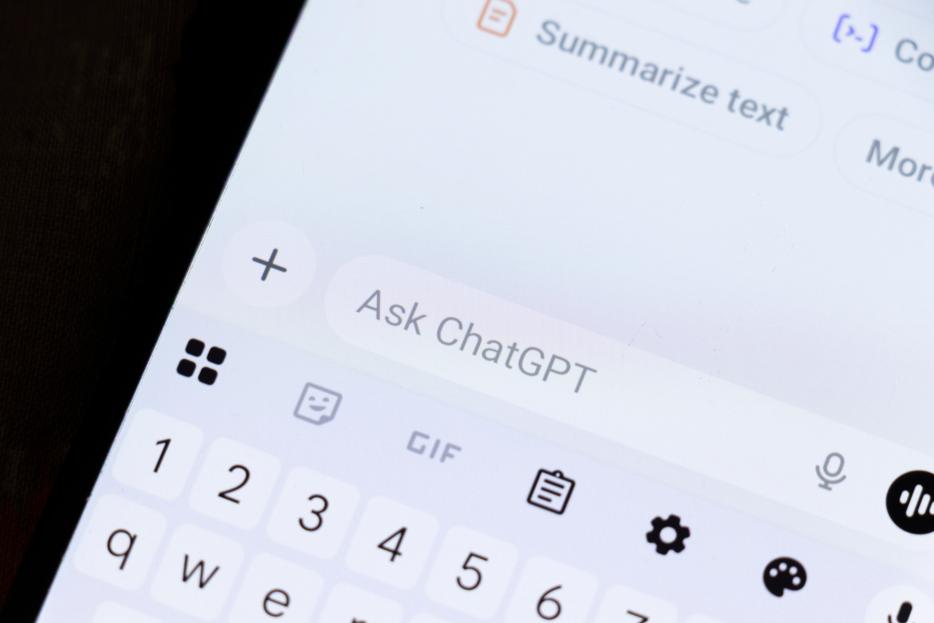
It's worth understanding why AI produces such identifiable writing. Tools like ChatGPT are trained on enormous amounts of existing text, which means what they generate is essentially a kind of statistical average of everything they've been trained on. The result tends to be competent but hollow, polished on the surface, but without the specific observations, genuine curiosity, or personal voice that admissions tutors are actually looking for.
There's also the question of accuracy. AI has a tendency to invent details, and if fabricated achievements end up in a personal statement, universities treat that as application fraud.
Cambridge has been particularly direct about this. Their guidance warns that interviewers are likely to ask applicants about the content of their personal statements, and that if an interview raises serious doubts about whether the statement reflects the candidate's real abilities and knowledge, the application will be put at a serious disadvantage.
What admissions tutors are looking for
It's easy to forget, with all the anxiety around detection, that the underlying issue is a simple one. A personal statement is meant to give a university a sense of who you are as a thinker and learner. What draws you to this subject? What have you read or explored beyond the classroom? How do you engage with ideas? These are things only you can answer, and they're what distinguish a memorable application from a forgettable one.
No AI tool can replicate the fact that you found a particular book surprising, or that your interest in a subject connects to something real in your life. Those details are what tutors remember.